Allow 60 to 90 minutes. After a short consultation come cleansing, a skin analysis, gentle exfoliation, extractions if needed, actives, a mask and sun protection. You lie covered on a bed with your top on. Mild redness afterwards is normal and settles within a few hours.
Most questions before a first facial are not about results but about the situation: do I undress, does it hurt, what happens if I have a breakout, how will I look afterwards. That is entirely reasonable, and these are exactly the points salons rarely address, because to them they are obvious.
This article walks through the appointment in order and says at every stage what happens and what you are free to say. That is the most commonly missed opportunity: a treatment in which nobody speaks is a treatment by default rather than by need.
1. Before the appointment: what to know and what to mention
There is nothing to prepare. Make-up comes off anyway, unwashed hair is not a problem, and arriving straight from work is fine.
What you should bring is information. The following belong in the conversation unprompted, because they decide which products are safe to use on you:
- everything you use on your face, especially retinoids, acids and acne treatments
- medication that increases photosensitivity, plus isotretinoin and blood thinners
- known allergies and intolerances, including to fragrance and adhesive
- sun, sunbeds or fake tan in the last two weeks
- pregnancy or breastfeeding
- recent facial treatments: laser, peels, microneedling, permanent make-up
- a tendency to cold sores
A sensible appointment is also one you have nothing planned after. Keep the evening free of exercise, saunas and make-up, and do not book it the day before something that matters — more on that below.
On clothing: a wide neckline is practical, because neck and décolleté are frequently included. Necklaces and earrings are better left at home. Beyond that it makes no difference — you stay dressed throughout.
One practical note: contact lenses are usually fine, though they come out for anything worked around the eyes. Bring a case and your glasses to be safe.
A treatment in which nobody speaks is a treatment by default rather than by need.
2. The appointment step by step
Consultation, 5 to 10 minutes. Usually at a desk, often with a form. This is where the points above get covered. A salon that skips this part is working without the basis for every product decision that follows.
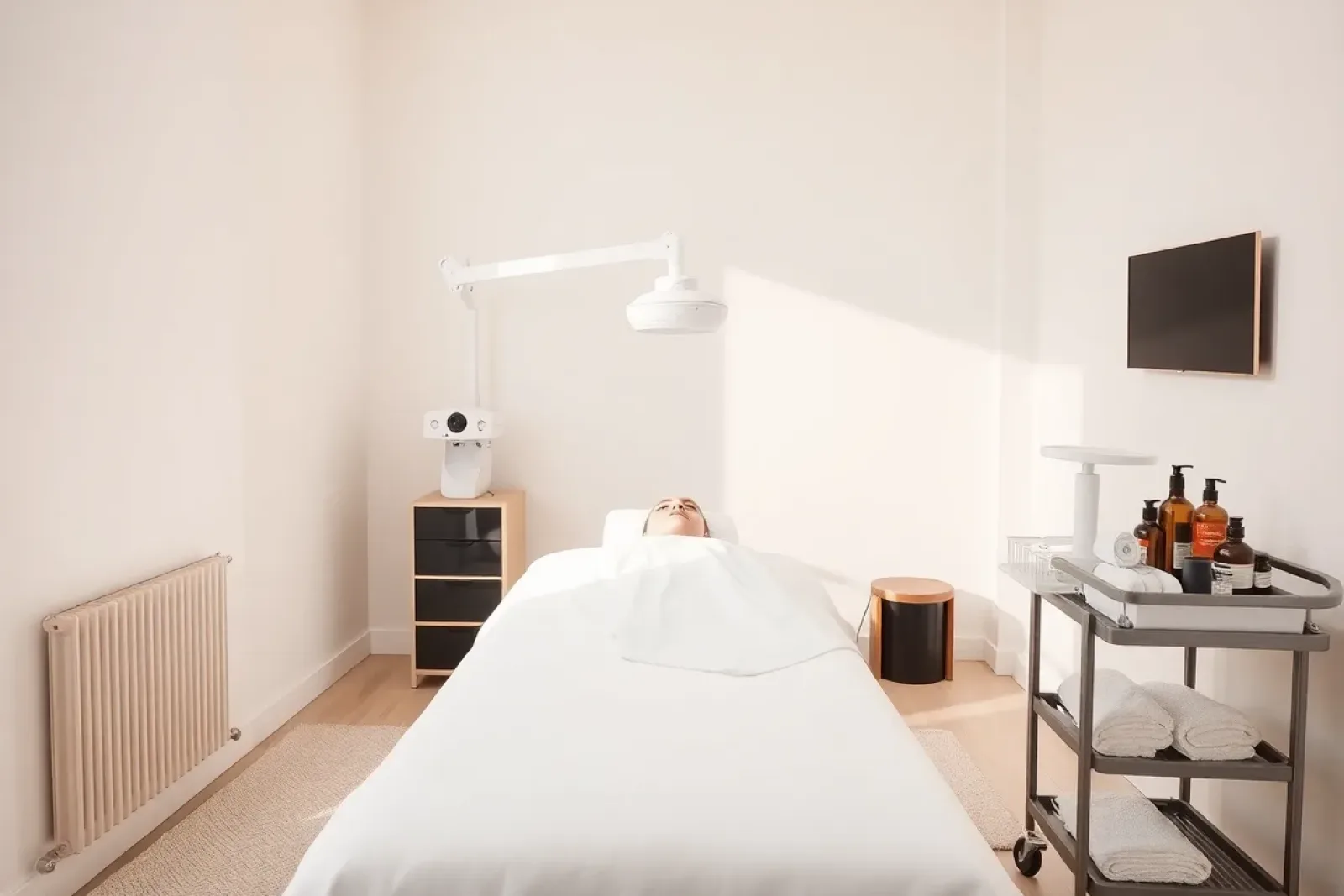
Getting settled. You lie down fully dressed, your top stays on and is protected with a towel. Hair goes into a headband. You are covered with a blanket — most people get cold lying still faster than they expect. Say something if the neck bolster sits badly or the light is in your eyes: both take two seconds to fix and otherwise bother you for an hour.
Cleansing, 5 to 10 minutes. Twice, usually an oil or milk for make-up first, then a gel or foam. The analysis follows, often under a magnifying lamp.
Exfoliation, 10 to 20 minutes. Enzymes, acid, an ultrasonic spatula or a mechanical option. Tingling is normal, burning is not.
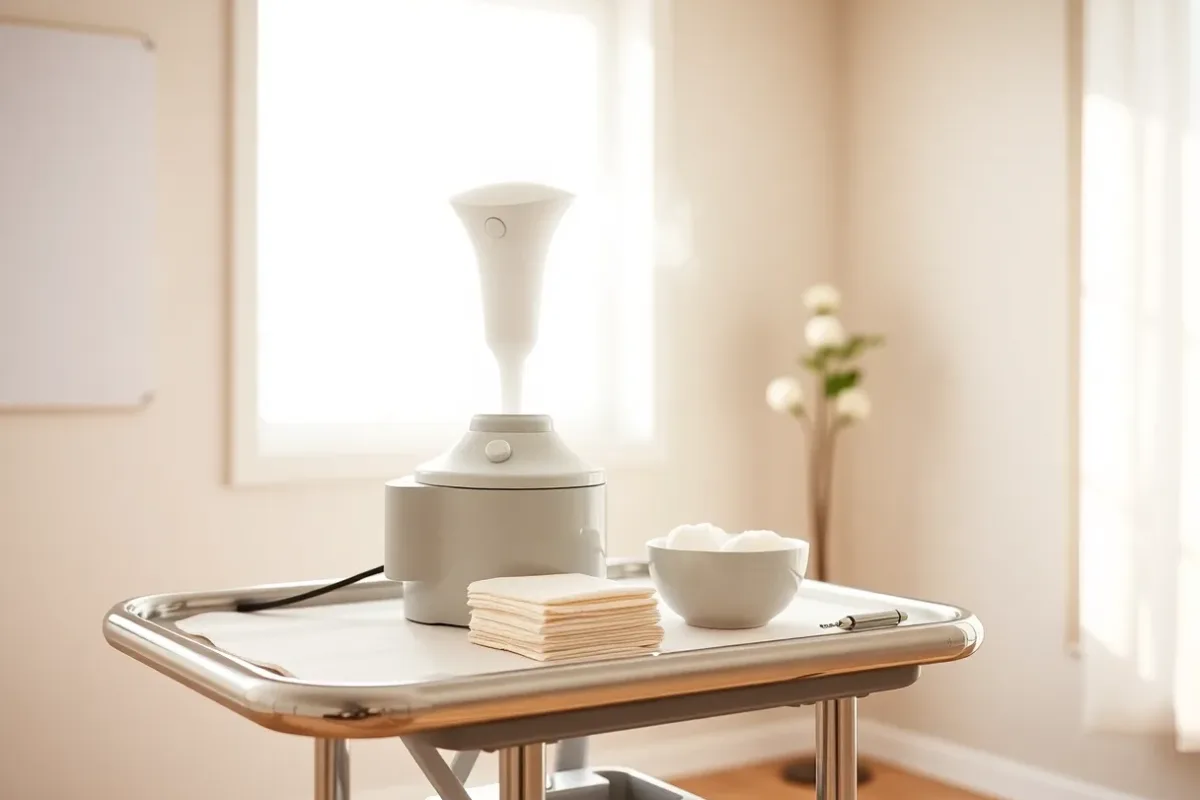
Softening and extractions, 10 to 20 minutes. Steam or a warm compress, then the extractions themselves. This is the least pleasant part, but it is contained: noticeable around the nose and chin, barely felt on the cheeks. If it becomes too much, say so. There is no reason to endure extractions to the end.
Actives, massage, mask, 20 to 30 minutes. The enjoyable part. Moisturiser and sun protection finish it off.
3. What it costs and how long it takes
The figures below are typical 2026 ranges at US salons. For a first appointment, a classic facial with a skin analysis is almost always the right choice.
| Treatment | Duration | Price | Redness after |
|---|---|---|---|
| Classic facial with analysis | 60–75 min | 95–160 dollars | 1–3 hours |
| Deep cleanse with extractions | 75–90 min | 110–190 dollars | up to 2 days |
| Hydrating facial | 45–60 min | 95–150 dollars | barely any |
| Enzyme or acid peel | 30–60 min | 100–175 dollars | 1–2 days, light flaking |
| Express treatment | 30 min | 55–90 dollars | barely any |
Allow a little more time than stated for a first visit, because the consultation is added on top. If you are pressed for time, say so at the start — then the sequence is shortened rather than rushed.
On tipping: in the US it is expected rather than optional, and the working range is eighteen to twenty-two per cent of the pre-tax price. Tip on the full price rather than the discounted one if you booked through an offer, and if two people worked on you, ask at reception how it is split. That question is entirely normal, and asking when you book is easier than working it out at the desk afterwards.
Related articles
4. Afterwards: what is normal and what is not
Straight after the appointment the skin is usually pink and warm. That is a response to heat, massage and circulation, and it settles within one to three hours. After extractions individual spots can stay red for up to two days, and new blemishes can surface over the following days. Both are to be expected.
Off the list for the first 24 hours: make-up, sauna, steam rooms, hard exercise, direct sun, mechanical scrubs, retinoids and acids from your home routine. What stays: gentle cleansing, plain moisturiser and sun protection the next morning.
Not normal, and worth a call to the salon: persistent burning, blistering, marked swelling, a widespread rash, or a reaction that increases rather than decreases after 48 hours. It is rare, but it should be reported — not least so the salon can record which product might have caused it.
And the question nearly everyone has: how will I look this evening? After a hydrating or classic facial, very good. After extractions, tidier rather than fresher. If you are being photographed that evening, move the extractions to another day.
The optimal gap before an occasion that matters is seven to ten days. By then everything that needs to settle has settled, and the effect is still there.
5. How to recognise a good salon
The reliable signs have little to do with the decor. A good salon asks first and treats second. It explains what it is applying and why. It states limits unprompted instead of promising everything. And at the end it tells you what to do at home — not only what to buy.
Other things you can simply observe: fresh towels and bed roll, visible hand sanitising, single-use tools for extractions, and products dispensed from sealed containers rather than open pots.
What counts against a salon: sales pressure during the treatment, while you are lying on the bed in a gown. Packages you are asked to sign before your first appointment. Promises to cure acne, rosacea or scarring. And treatments advertised in the same breath as injectables — in many countries, including Germany, botulinum toxin and fillers are restricted to doctors and have no place on a beauty menu.
On qualifications: what training is required, and whether the job title is protected at all, varies by country. Asking about someone's training and about any certification for laser or intense light devices is entirely legitimate, and a good salon answers it happily. Do not assume the rules you have read about elsewhere apply where you are booking.
Book a classic facial with a skin analysis for your first appointment and keep the rest of the day free. It costs the least, hurts the least and gives you the information everything else can then be planned around.
Booking your next treatment without a phone call?
This link is meant for your studio, not for you. If you would rather book online and keep your treatment history in one place, pass it on at your next appointment.