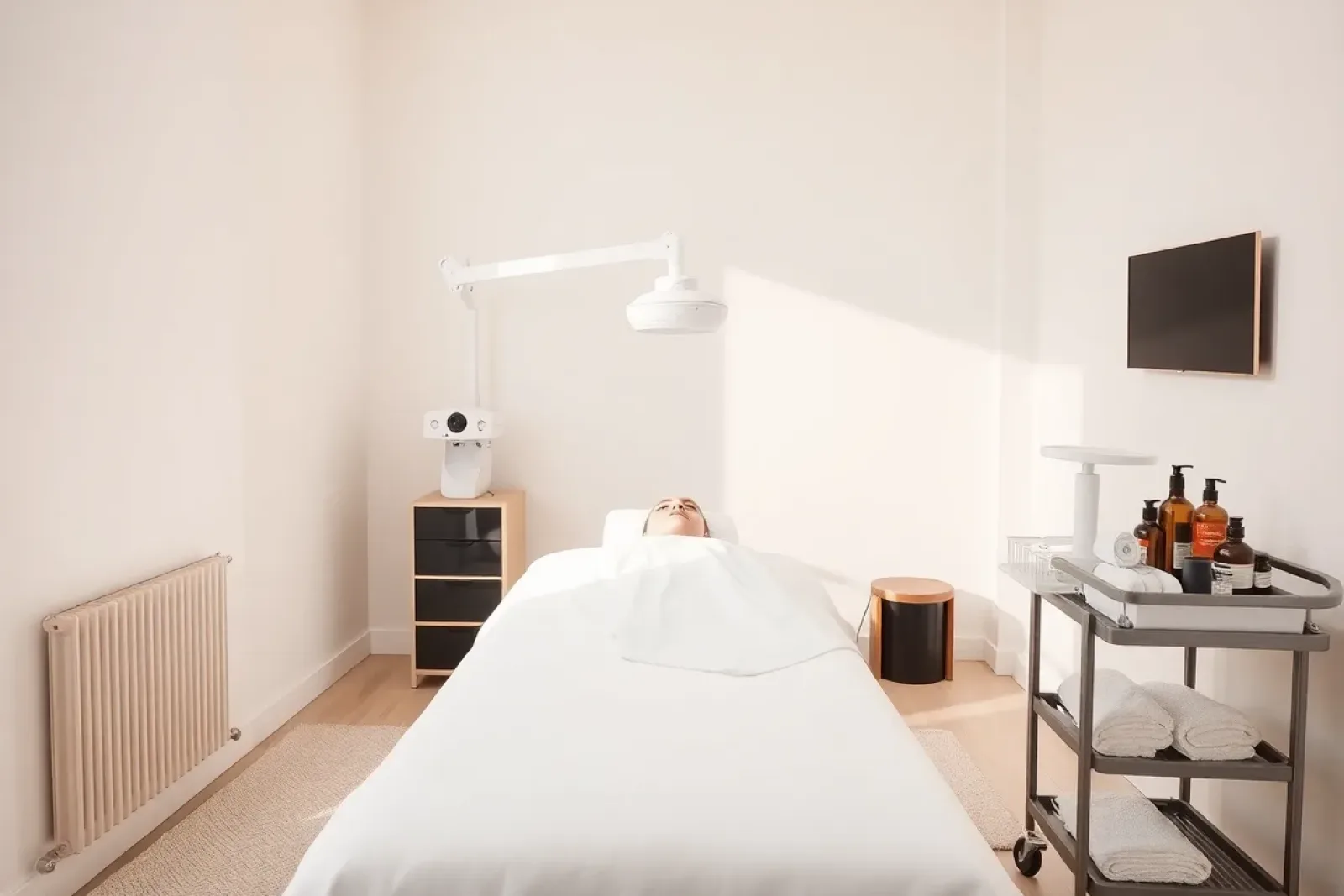
The usual interval is four to six weeks, and it follows the renewal of the outer skin layer. Congested skin can benefit from a tighter rhythm at first, sensitive skin from a longer one. If you mainly want maintenance and an hour of calm, one appointment a quarter serves you well.
Behind the question there is almost always a second one: how much do I have to spend before this is worth doing? The honest answer depends on the goal. Changing a skin and maintaining a skin are two different jobs on two different rhythms — and the second is considerably cheaper than the first.
The number underneath it all is the renewal time of the epidermis. In young adults that is roughly four weeks and it lengthens noticeably with age. Treatments that work at the surface follow that beat: any sooner and the previous treatment has not finished, much later and the effect has already gone.
1. Why four to six weeks is the standard beat
The outer layer of skin renews itself continuously: cells form at the bottom, travel up, harden and shed. That cycle takes roughly four weeks in young adults, considerably longer from around forty, and in some people noticeably less.
A treatment that exfoliates, extracts and delivers actives is reaching into exactly that cycle. The best moment for the next one is where the previous cycle has completed — which is where the standard four to six week gap comes from.
Shorter gaps are not automatically better. Exfoliate too frequently and the skin barrier loses its protection. It then reacts more readily, dries out faster and, on oily skin, produces more oil in response. The result looks well kept in the short term and irritated over time.
Longer gaps are not a mistake but a question of goal. Coming every three months keeps your skin in decent baseline condition and gives you a professional read on any changes. What that rhythm cannot do is visibly change a skin: the gap is too wide, and every appointment starts again from the beginning.
In practice that means the interval is not a fixed number but a decision with two inputs — what you want to achieve and how much your skin tolerates. Both belong in the first conversation rather than the tenth appointment.
Changing a skin and maintaining a skin are two different jobs on two different rhythms.
2. The right rhythm for each goal
The mapping below covers the common cases. These are starting points rather than rules: after two or three appointments you will know whether your interval fits.
| Goal | Rhythm | Visits per year | Annual cost |
|---|---|---|---|
| Turning congested skin around | every 2–4 weeks, then stretch | 8–12 | 800–2,100 dollars |
| Maintaining a good baseline | every 6–8 weeks | 6–8 | 600–1,400 dollars |
| A peel series | every 2–4 weeks, 4–6 sessions | 4–6 plus upkeep | 500–1,200 dollars |
| Dry, mature skin | every 4–6 weeks | 8–10 | 800–1,750 dollars |
| Sensitive skin | every 8–12 weeks | 4–6 | 400–1,050 dollars |
| Relaxation and upkeep | quarterly | 4 | 400–700 dollars |
These are US salon ranges for 2026 and vary by region. What stands out is that the most expensive route is not the one with the most appointments but the one with the wrong ones: booking every four weeks for a treatment that does not match your concern costs the most for the least.
One rule holds up well in practice: start tighter and stretch once things are stable. The reverse — starting sparse and adding appointments when you are unhappy — usually means you never get past the starting condition.
3. How to tell your interval is wrong
There are reliable signals in both directions, and knowing them saves an argument at the salon.
Too often shows up as skin staying pink longer than it used to, stinging when you apply products you have used for months, feeling rough despite having just been exfoliated, or reacting to cold and wind between appointments. Those are signs of a compromised barrier, and the right response is a pause, not another treatment.
Too rarely shows up as every appointment feeling like a fresh start: plenty to extract, obvious build-up, a result that has disappeared again within ten days. If you hear the same sentences every single visit, the treatment is working against a backlog rather than towards an improvement.
About right means the starting condition is a little better each time, there is less to extract, and the effect carries through to shortly before the next appointment. That is the point at which stretching the interval pays off.
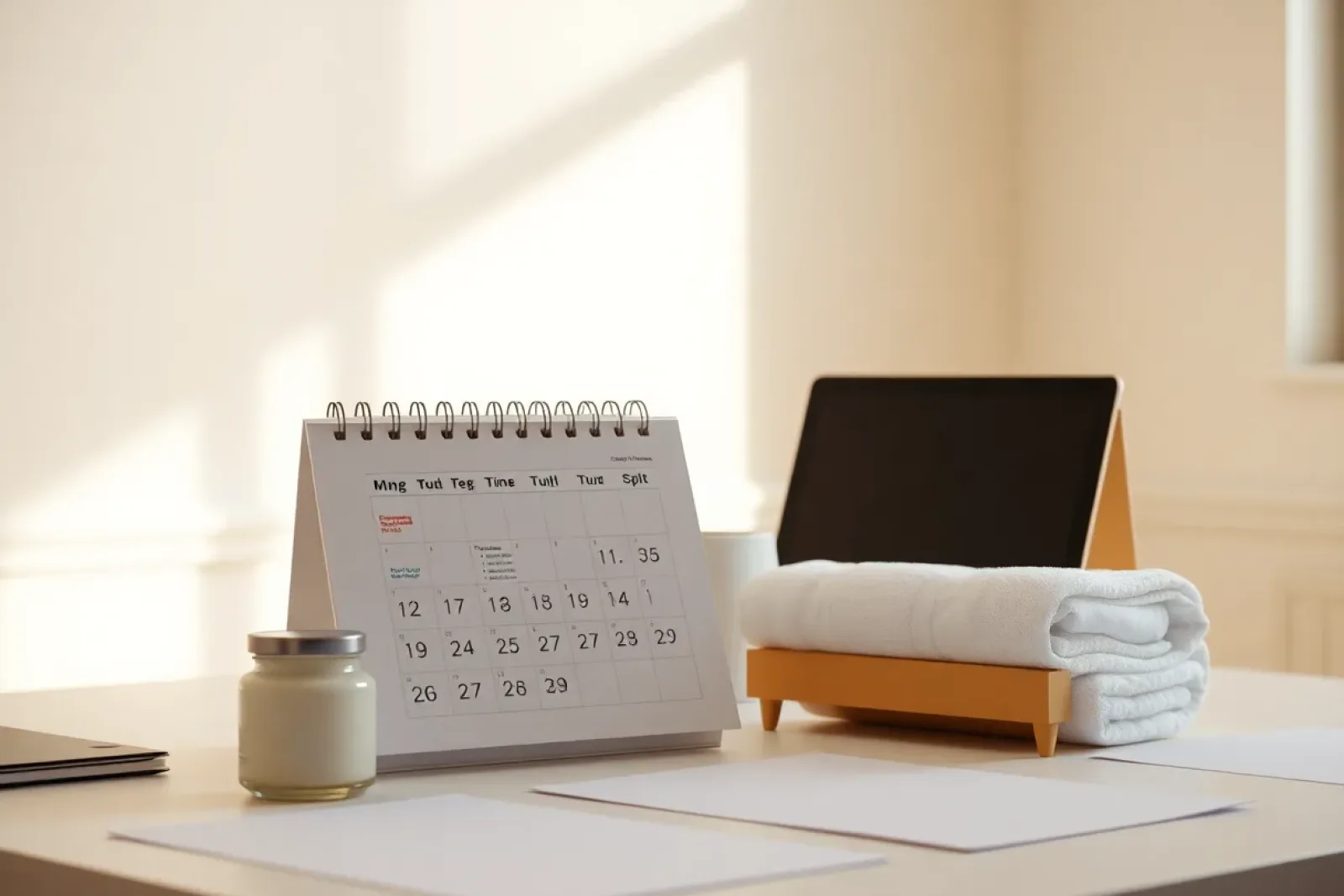
A simple log helps: date, treatment, condition after three days, condition after three weeks. Four entries are enough to show a pattern, and they are worth more in a consultation than any recollection.
Related articles
4. What happens between appointments counts too
The arithmetic is uncomfortable but clear. Six treatments a year come to six hours. Your daily routine over the same period adds up to many times that. Which half carries the result is settled by those numbers alone.
That does not make treatments pointless. They do three things you cannot do at home: proper extractions, higher-strength actives under supervision, and an outside assessment. What they cannot do is compensate for a routine that irritates your skin every day.
So the most useful question at the end of an appointment is not when the next one should be, but what you should change until then. Frequently the answer is a removal — one product fewer, one application less often — rather than a purchase.
Peel and microneedling series are a special case. Home care there is not a supplement but a condition: without consistent sun protection a series can achieve the opposite of its aim, because freshly treated skin lays down pigment more readily. In those cases an appointment without matching home care really is money wasted.
One seasonal note: peels and exfoliating treatments sit better in the darker half of the year. In summer the sensible emphasis shifts towards hydration and calming, and the interval can widen a little.
5. When an appointment should be moved
Not every appointment on the calendar should go ahead. The usual reasons to postpone:
- sunburn or a fresh, deep tan
- an active cold sore or any infection on the face
- a recently started retinoid, until your skin has settled into it
- a fever or an acute infection
- an important occasion within the next three to five days, if extractions or a peel are planned
The last point is the one most often ignored. Before a wedding, a photoshoot or an interview, a hydrating and calming treatment is the right choice — and it belongs seven to ten days beforehand, not two.
Conversely, there are moments when an extra appointment is worth it: after a long stretch of sun, after moving to a different climate, when changing your home routine, or when your skin shifts for no obvious reason. In that last case, though, the first question is whether it is a cosmetic matter at all.
Pregnancy and breastfeeding change which products are used and how they are tolerated, rather than the interval itself. Mention it when you book so the treatment can be planned accordingly.
Set your rhythm by the goal rather than by the offer: tight to change something, wide to keep it. And check after three appointments whether the starting condition improves each time — if it does, the interval is right.
Booking your next treatment without a phone call?
This link is meant for your studio, not for you. If you would rather book online and keep your treatment history in one place, pass it on at your next appointment.