Table of contents
Sugaring is usually the gentler option because the paste is removed in the direction of hair growth and grips the skin less. Waxing pulls against the growth and catches short hairs more reliably. The difference in pain is real but smaller than often claimed — the therapist technique matters more than the material.
Both methods remove the hair with its root, both therefore last a similar length of time, and after both the regrowth feels softer and finer. The difference lies in the material and the direction of removal, and it shows up most clearly on sensitive skin.
If you have been waxed once and hated it, though, do not switch method straight away. More often the problem is the hair length, the timing in your cycle or the technique of the person doing it — variables that are far cheaper to adjust than a change of salon.
1. What separates the two technically
Waxing uses warmed wax. It is applied in the direction of growth and pulled against it — either with a fabric strip (strip wax) or, with hot wax, by letting the wax set on the skin so it acts as its own strip. Hot wax grips the hair more and the skin surface less, which is why it is preferred on sensitive areas such as intimate waxing, underarms and the face.
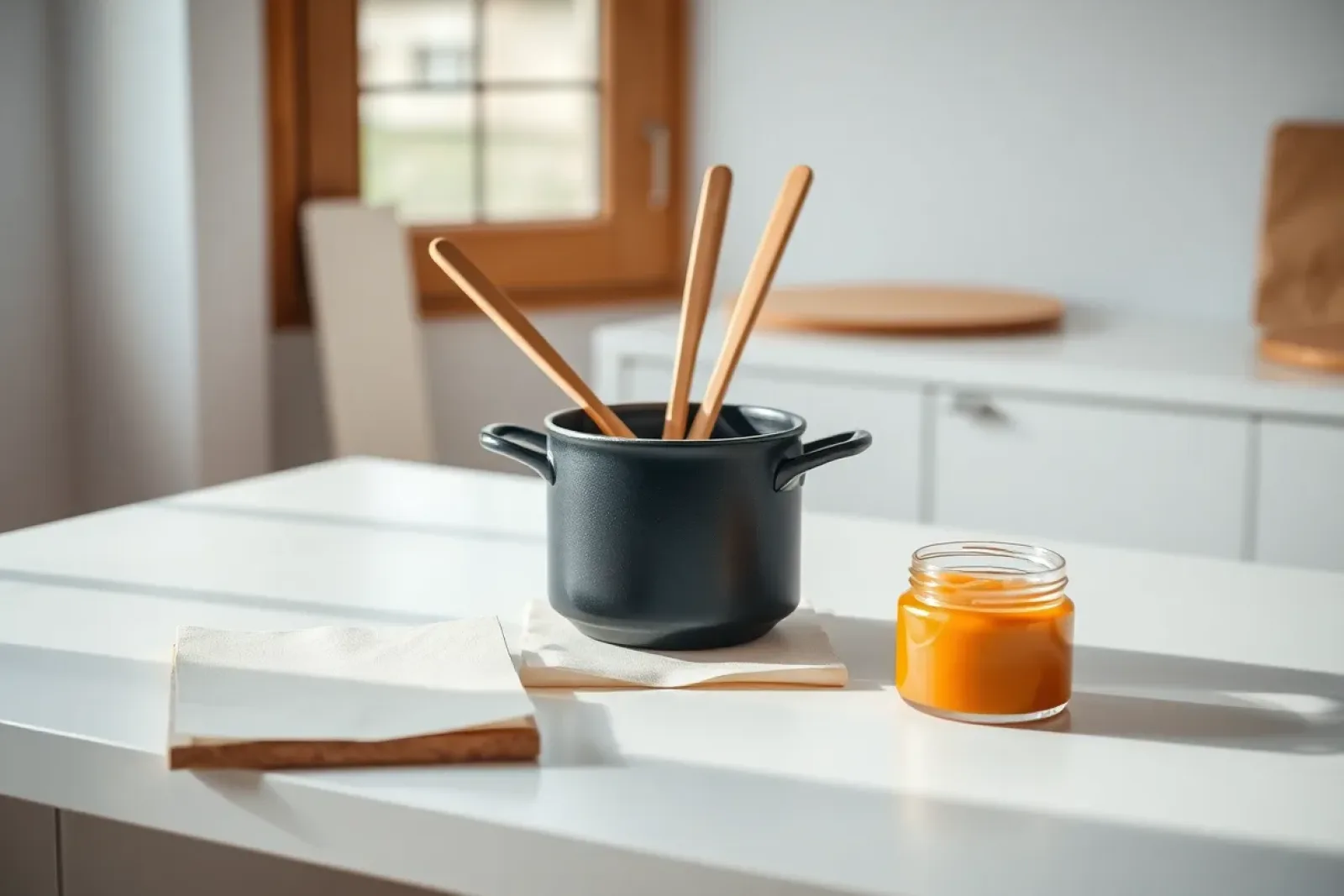
Sugaring uses a paste of sugar, water and lemon juice. It is worked into the skin at hand temperature against the direction of growth and flicked off with the growth. That is the central difference: pulling with the growth breaks fewer hairs and puts less drag on the skin.
The paste is water soluble. Residue rinses off with water, no oil or solvent required. For anyone prone to irritation that is a genuine practical advantage, because less product stays on the skin.
Temperature is the third difference. Sugar paste is worked at body to hand temperature, wax noticeably warmer. With visible capillaries, rosacea or a tendency to flush, that is an argument for sugaring — not because wax burns, but because heat deepens redness and makes it last longer.
The biggest lever against the pain sits between appointments: getting the hair length right.
2. The pain question, soberly
Pain cannot be measured like a temperature, and personal accounts contradict each other. What can be said plainly: pulling with the growth loads the follicle less than pulling against it, and less grip on the skin surface means fewer surface cells taken with the hair. Both favour sugaring. The difference is noticeable, but it does not turn a painful treatment into a pleasant one.
The factors you control are considerably larger:
- Hair length: roughly 5 to 10 millimetres is ideal. Too short means going over an area twice, too long means more drag.
- Timing in your cycle: many people find the days before and during a period more sensitive. If you can choose, book the week after.
- Caffeine and alcohol: cutting both on the day helps some people noticeably.
- Regularity: from the third or fourth appointment at an even interval it gets measurably easier, because regrowth is finer and more synchronised.
- Exfoliating two days before: loosens the surface so the hair releases more easily.
The first time is almost always the worst. Judging the method on one appointment means judging it at its least favourable.
3. The two methods side by side
The figures below reflect typical US salon ranges for 2026. Prices vary considerably by region, and the area treated matters far more than the method chosen.
| Feature | Waxing | Sugaring |
|---|---|---|
| Removal direction | against the growth | with the growth |
| Temperature | warm to hot | hand to body temperature |
| Minimum hair length | approx. 5 mm | approx. 4–5 mm |
| Residue | needs oil or a wipe | rinses off with water |
| Hair free for | approx. 3–5 weeks | approx. 3–5 weeks |
| Underarms | approx. 18–30 dollars | approx. 22–38 dollars |
| Half leg | approx. 40–65 dollars | approx. 48–78 dollars |
| Basic bikini | approx. 35–60 dollars | approx. 42–70 dollars |
Two things the table does not capture. First, availability: nearly every salon waxes, far fewer sugar — and an experienced waxer will give you a better result than someone four weeks into sugaring. Second, area size: on large areas such as legs, wax works faster because bigger sections can be taken at once. Sugaring needs more time there, which shows in both the price and the length of the appointment.
Related articles
4. Preparation, aftercare and ingrown hairs
Before the appointment: let the hair grow to at least four or five millimetres. Exfoliate gently two days ahead and skip moisturiser on the day — oil and rich lotion make it harder for the product to grip. No sunbathing, sunbeds or fresh fake tan in the two days beforehand.
Afterwards the skin is more reactive for 24 to 48 hours. During that window: no sauna, no steam room, no swimming pool, no hard exercise, no direct sun on the treated area and no perfumed products. Tight clothing rubs and encourages follicle irritation, so keep it loose.
From day three the real work against ingrown hairs starts: exfoliate gently two or three times a week and use a light moisturiser. Ingrown hairs happen when regrowth cannot break through the surface layer, and regular exfoliation is the most effective simple measure against it.
Small red bumps immediately after the appointment are a normal follicular response and usually settle within a day. What is not normal: blistering across an area, swelling that persists, pus or a fever. That needs medical attention rather than a home remedy.
Between appointments one rule matters more than the rest: do not shave. A razor cuts the hair at skin level and scrambles the growth cycle you are trying to synchronise. After two or three appointments at an even interval the hairs stand far more uniformly, regrow finer and are easier to catch. Every shave in between resets that.
If ingrown hairs are a recurring problem, add a chemical exfoliant to the mechanical one: salicylic acid or a mild fruit acid loosens the surface layer without any rubbing, which underarms and the bikini line usually prefer to a scrub mitt. An already inflamed spot is left alone rather than picked open — that is where the dark marks come from, and they outlast the hair by months.
5. When neither method is an option
There are situations where a responsible salon will decline or reschedule. They include:
- broken skin, sunburn, eczema, psoriasis or an active cold sore in the treatment area
- current isotretinoin treatment, or less than six months since finishing it — the skin tears otherwise
- retinoids, acids or benzoyl peroxide used on that area in the days beforehand
- a recent laser or peel treatment on the same site
- moles, warts and varicose veins are worked around, never waxed over
Diabetes, blood thinners, a weakened immune system or a tendency to poor wound healing are not blanket exclusions, but they should be raised before you book. Your doctor gives that answer, not the salon — a therapist may judge whether skin looks treatable, but cannot issue medical clearance.
Waxing and sugaring are generally possible in pregnancy, though many people find their skin considerably more sensitive then, and in the third trimester positioning becomes the bigger issue. Mention it when booking so enough time and a suitable couch are set aside.
Sugaring is usually the kinder choice on sensitive, easily reddened skin, waxing the faster one across large areas — and both get more bearable with every regular appointment. If you are undecided, book a small area such as underarms as a trial run rather than starting with a full leg.
Booking your next treatment without a phone call?
This link is meant for your studio, not for you. If you would rather book online and keep your treatment history in one place, pass it on at your next appointment.