Gel is more flexible, barely smells and looks more natural. Acrylic is harder, holds its shape better and is simpler to repair. For short to medium nails in everyday life gel usually wins; for long shapes and hands that take a beating, acrylic does. Both need infilling after two to three weeks.
This question comes up at almost every first appointment. Both systems sit on top of your natural nail, both last for weeks, and both are infilled on the same rhythm. The difference lies in the material itself, and in how it behaves once you go back to your normal day.
Neither one is better in the abstract. One of them suits your nails, your preferred length and your work; the other does not. Someone who types all day needs something different from someone who spends the evening in the garden.
1. What actually separates the two systems
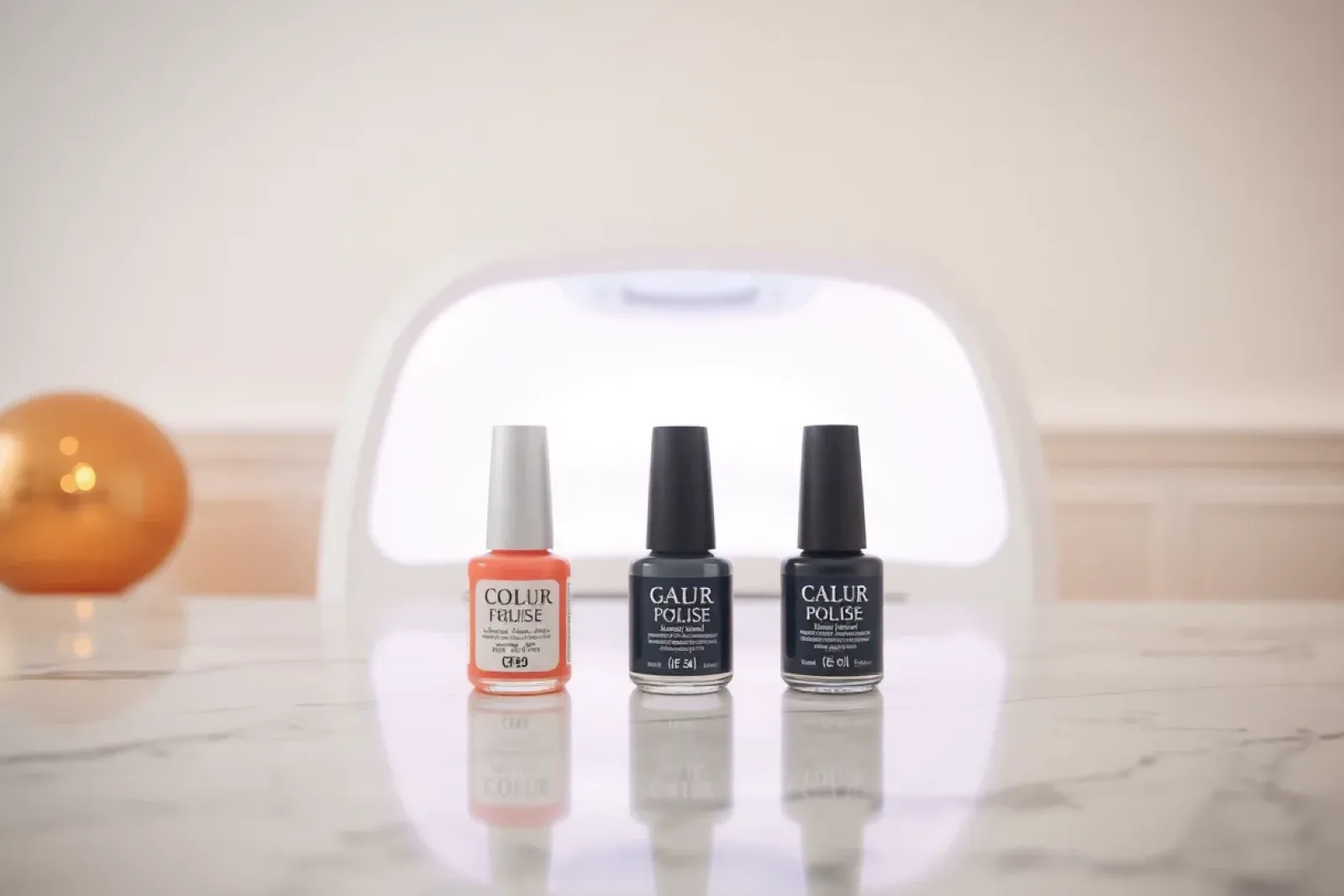
Gel arrives ready mixed, in a pot or a tube. It stays workable until it is cured under a lamp, which means your technician can shape it, correct it and only then set it. That is why gel is comfortable to work with and why the finished surface has such an even shine.
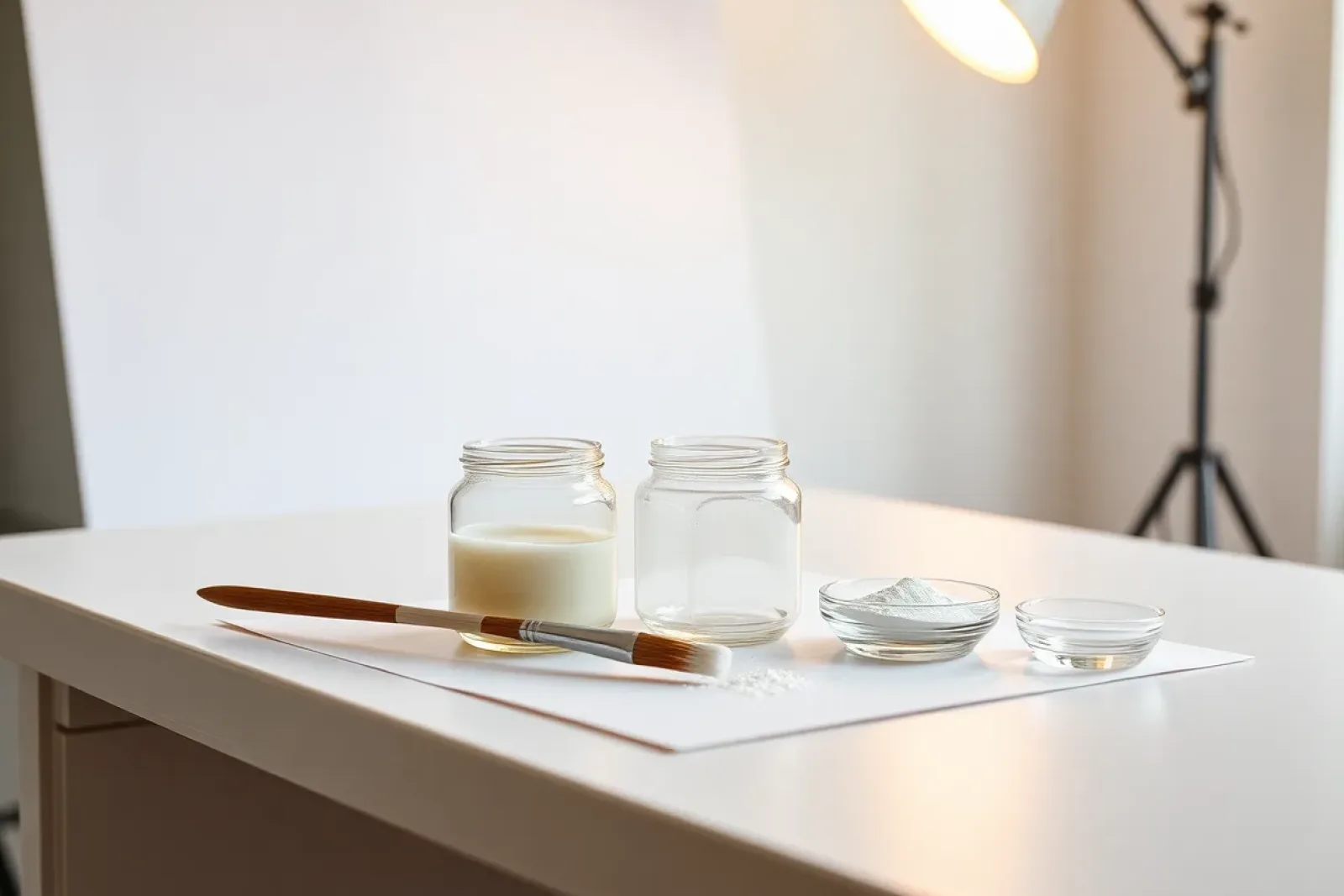
Acrylic is created on the nail. A powder is picked up with a liquid to form a bead, and that bead hardens on its own within a couple of minutes. No lamp, but no second chances either: once it starts to set, it cannot be pushed around any more. Working acrylic well takes speed and precision.
Almost everything else follows from that single difference. Cured gel stays slightly yielding, acrylic sets hard all the way through. One flexes, the other holds.
That also changes how the appointment feels. Gel is worked layer by layer with each one cured separately, which breaks the session into calm segments. Acrylic is largely built in one continuous run and demands more concentration. Both take a similar total time, but they feel different: gel has pauses under the lamp, acrylic has none. If sitting still is not your strength, those lamp breaks are often welcome.
The material does not decide the result. What decides it is how well that material matches your hands and your week.
2. Strength, weight and how each one breaks
Acrylic is the tougher material. It carries longer shapes, tolerates sideways pressure better and forgives the moment you pull a car door shut with a bit too much conviction. When acrylic does give way, it usually breaks cleanly in one place rather than lifting away from the nail.
Gel behaves differently. It gives a little under load and springs back, which is why it feels softer and less foreign on your own nail — a real argument the first time round. On very long sets that same flexibility turns into a drawback, because the tip moves fractionally with every grip and the stress zone eventually tires.
Weight is largely a myth these days. A set feels heavy when it has been applied too thickly, and that is a question of technique rather than of system. A well built acrylic set can be thinner than a poorly built gel one.
One point that rarely gets mentioned: the two systems behave differently when your own nail is very flexible. A bendy nail plate moves with every grip. Gel follows that movement, acrylic does not — it stays rigid and passes the tension straight to the bond line. On very soft nails it can therefore be the harder material that lifts first, while the springier one goes along for the ride. This is one reason a blanket recommendation never works and the call gets made on the actual nail in front of you.
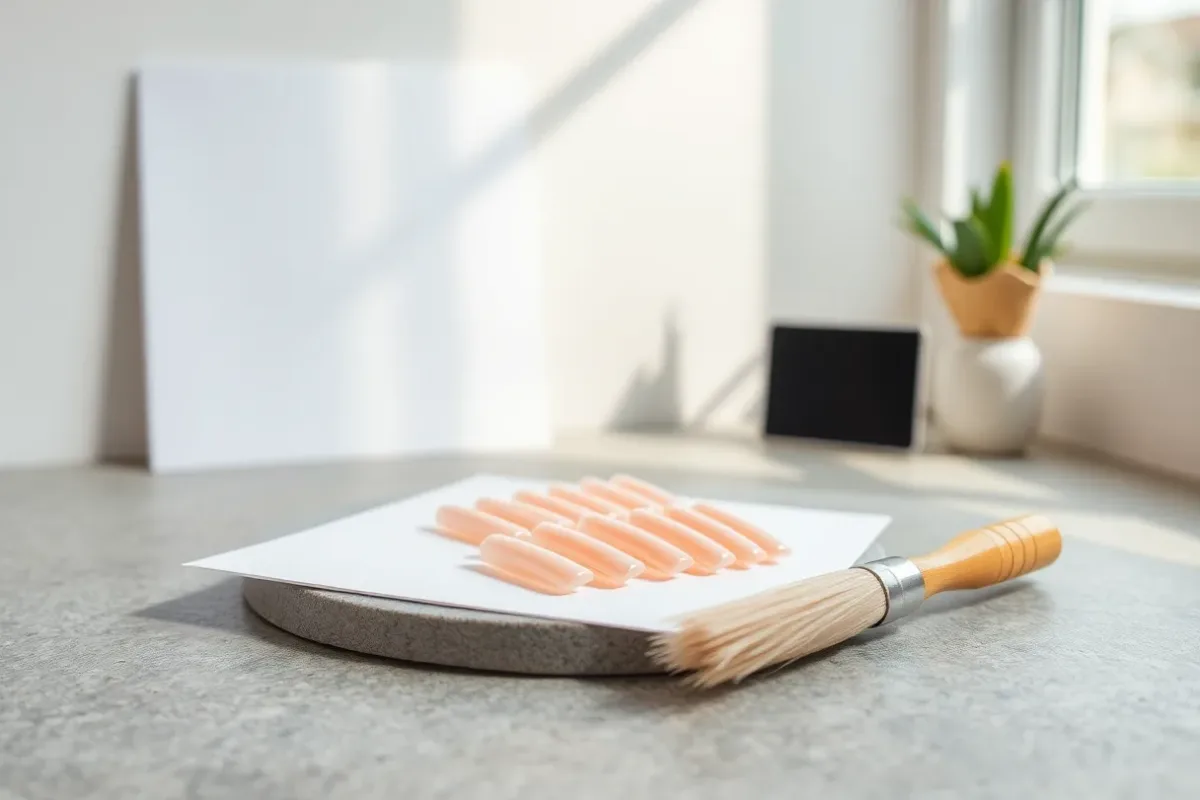
3. Smell, appointment length and cost
The most noticeable difference in the salon is the smell. Acrylic liquid has a strong, distinctive odour even with good extraction. If you are sensitive to that, two hours next to it are hard work. Gel is unremarkable in this respect.
| Criterion | Gel | Acrylic |
|---|---|---|
| Curing | under a UV or LED lamp | in air, no lamp needed |
| Odour | barely noticeable | strong, even with extraction |
| Breakage | flexible, gives way | hard, snaps in one spot |
| Full new set | around 60 to 100 dollars | around 60 to 100 dollars |
| Infill | around 45 to 70 dollars | around 45 to 70 dollars |
| First appointment | 90 to 150 minutes | 90 to 150 minutes |
Price rarely separates the two. What moves the number is length, shape and artwork, not the choice between powder and pot. Rates also vary widely by region, so treat these as ranges rather than quotes.
Availability matters too. Not every salon offers both systems, and most technicians are noticeably more confident in one of them. Excellent gel work beats mediocre acrylic work every single time. So do not only ask whether a system is offered, ask how often it is worked. The question is entirely unawkward, and the answer tells you more about the likely result than the material name on the price list.
Related articles
4. Repairs and infills in real life
Acrylic has a practical edge here. A broken corner can be rebuilt with a fresh bead, filed back and worn on, quickly and almost invisibly. Infills are straightforward too, because new product bonds neatly to the old.
Gel can be repaired as well, but it takes longer. The damaged area is usually removed generously and rebuilt so no seam shows through the colour. Budget roughly 10 to 20 dollars for a single repaired nail and a short mid-cycle visit.
So if things happen to you regularly — because you work with your hands, or you are constantly on the move — acrylic will save you appointments. If breakages are rare in your life, this point barely matters.
Between appointments the same rule applies to both: a lifted or split nail is not a DIY job. Craft glue holds reliably on neither gel nor acrylic, and it makes the eventual correction harder. If something happens while you are out, a smoothly filed break edge is the best stopgap until you can get a short repair slot. Most salons keep windows free for exactly this, because repairs are part of normal life and rarely take longer than twenty minutes.
5. Who is better off with which
Choose gel if you want something discreet and natural, wear short to medium lengths, dislike strong smells, or have naturally soft, bendy nails. Gel evens that softness out without feeling rigid on the finger.
Choose acrylic if you want real added length, wear a square shape such as ballerina or stiletto, are hard on your hands, or have a history of breakages. Very flat nail beds are also easier to build a stable shape on with acrylic.
If you genuinely cannot decide, say exactly that at your appointment. A technician will look at your nail shape, the thickness of your nail plate and your fingertips before recommending anything, and that assessment beats any general rule — because it has your actual nails in front of it.
If you want to switch systems, you do not have to wait for everything to grow out. The change happens in a single appointment: the old product comes off, the nail is prepared again and rebuilt in the other system. Budget the price of a new set and a little extra time. No intermediate step and no recovery break are needed, as long as your natural nail is in good shape.
Gel and acrylic differ less in the result than in the route there: one is flexible and odourless, the other hard and easy to fix. Both last two to three weeks before an infill, and both cost about the same. Take your preferred length and a description of your typical working day into the conversation next time — that settles the question faster than any list of ingredients.
Booking your infill without a phone call?
This link is meant for your nail studio, not for you. If you would rather set your infill or a new set online, pass it on at your next appointment.