A classic wet manicure softens the skin in a bowl of water and works with scissors and nippers. A dry manicure skips the water and is the proper base for gel polish. Russian or combination technique uses an electric file to work closer to the nail fold, so the result stays tidy for longer.
All three methods aim at the same thing: a clean nail wall, a tidy free edge and a surface colour will stick to. They just take different routes there, and those routes differ more than the price list suggests.
For you as a client, one thing hangs on the choice above all others: how long the area near your cuticle keeps looking freshly done — and how much experience the person doing it needs to have.
1. The classic wet manicure
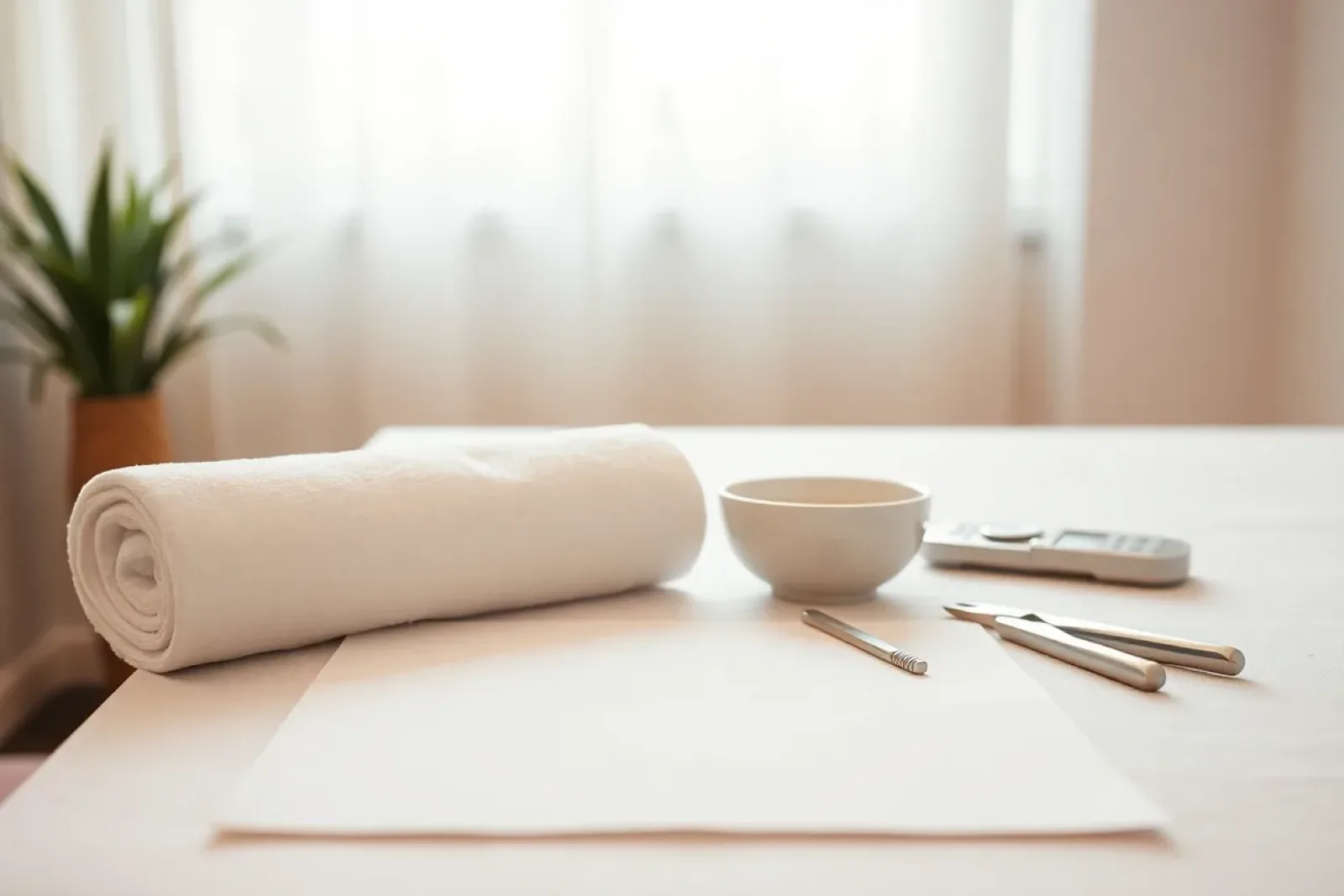
It starts with a soak. Five to ten minutes in warm water softens the thin skin layer that sits on the nail plate, so it can be pushed back and lifted away easily afterwards. Filing, shortening and usually a short hand massage follow.
The advantage is comfort. The soak is pleasant, the skin comes away with almost no effort, and the method is available everywhere. For a pure care manicure with no colour afterwards it is the classic choice and entirely sufficient.
The drawback only shows up later. In the water the nail plate absorbs moisture and expands very slightly. Apply gel polish straight onto that and the nail shrinks back over the next few hours, putting the coating under tension. Which is why a wet manicure is a poor base immediately before gel polish.
Historically the wet manicure is the oldest of the three, and it still shapes what most people picture when they hear the word: bowl, nippers, hand massage. Which is exactly why a misunderstanding sometimes arises when a salon offers manicures but works dry. Both are manicures. It is worth asking what is actually included when you book rather than relying on the word alone.
All three methods want the same clean edge. What separates them is how close they go to living skin.
2. The dry manicure
Here the water disappears entirely. The skin layer on the nail plate is loosened with a remover product instead, then taken off with a stick or pusher. Filing happens dry as well.
Because the nail never swells, its surface stays exactly as it will be later on. That is the whole reason dry work precedes every gel polish and gel application: adhesion is measurably better and the colour lasts longer.
A dry manicure is usually a little quicker than the classic version because the soak is gone. It is not necessarily more pleasant — but under colour, the result is considerably more reliable.
A practical side effect of the dry manicure often gets overlooked: with no soak, the appointment is easier to time and your hands are usable immediately afterwards. Come in your lunch break and you avoid the softened skin that reacts more sharply to hand sanitiser for the following hour. For anyone who sanitises frequently at work, that is a genuine argument.

3. Russian and combination technique
A Russian manicure is done with an electric file and very fine bits. The nail fold is lifted slightly so the skin layer underneath can be reached too. The result is a very clean edge that sits deeper, colour can be placed closer to the skin, and regrowth shows up later.
Combination technique mixes the two: the surface is prepared with the file, but the last millimetre is finished by hand with nippers or scissors. Many salons work this way because it pairs the tidiness of one method with the control of the other.
Both stand or fall with training. Because the work happens very close to living skin, experience is not a comfort feature here but a precondition. Burning, stinging or redness that lasts for days means it went too far — a subject that deserves an article of its own.
One detail makes the difference visible: after Russian or combination work the colour appears to sit right against the skin, without the narrow unpainted strip you otherwise see. That strip is precisely what shows up as a pale border after a week. If it bothers you, here is the explanation for why the same colour looks freshly done for different lengths of time depending on the preparation underneath.
Related articles
4. The three methods side by side
Duration, price and staying power sit closer together than the effort involved suggests. The difference you actually notice is how long the cuticle area still looks freshly done.
| Method | Duration | Price range | Base for gel polish | Edge stays tidy |
|---|---|---|---|---|
| Wet manicure | 30 to 50 minutes | 28 to 45 dollars | not ideal | about 1 week |
| Dry manicure | 25 to 45 minutes | 32 to 55 dollars | good | 1 to 2 weeks |
| Russian or combination | 45 to 75 minutes | 50 to 85 dollars | very good | 2 to 3 weeks |
Prices swing widely by region. Time is the more reliable signal: anyone offering seventy minutes at a thirty-dollar price is making the numbers work somewhere else, and it will be somewhere you cannot see.
What no price list mentions but every result depends on: each variant should include shortening and shaping the free edge, smoothing the surface and a care step at the end. When an offer is markedly cheaper, usually one of those steps is missing or the time booked only covers half of them. If in doubt, ask how long the appointment is — that number is more honest than the price.
5. Which one belongs on your hands
If you want your nails cared for and will not wear colour afterwards, the classic wet manicure is entirely sufficient and by far the most relaxing option.
If gel polish or an enhancement is coming afterwards, the work should be dry. Ask when you book — the answer tells you more about a salon than any website description.
Russian or combination technique earns its price when regrowth near the cuticle is what bothers you and you would rather stretch to three weeks than two. Book a longer slot for it and deliberately pick someone who does this technique often.
Whichever method you choose, the skin around the nail needs more attention between appointments than the nail itself. Regular oiling keeps the nail fold supple, and supple skin tears less. That extends the period where the result still looks fresh more effectively than upgrading to a more elaborate method usually does.
Wet, dry or filed — the methods differ in comfort, in preparation and in how long the edge stays crisp. Pure care is fine with a soak; anything going under colour needs dry work underneath. Just say at your next booking whether colour is coming afterwards, and the right method follows on its own.
Booking your infill without a phone call?
This link is meant for your nail studio, not for you. If you would rather set your infill or a new set online, pass it on at your next appointment.