Table of contents
A salon either soaks the product off or files it back. Gel polish lifts away with acetone pads in ten to fifteen minutes; a gel or acrylic enhancement is filed down, with a wafer thin layer deliberately left behind. Nothing is ever levered. Expect ten to twenty minutes and 15 to 25 dollars for gel polish, twenty-five to forty-five minutes and 20 to 35 for an enhancement.
Removal is the part of the appointment that decides how your nails look for the next few weeks. Anything rough that happens now stays visible for months, because a nail plate that has been thinned does not repair itself — it has to grow out.
The good news: a careful removal is deeply unexciting. It takes a while, it is boring to sit through, and afterwards your nail feels smooth rather than rough or hot.
1. Two routes: soak off or file back
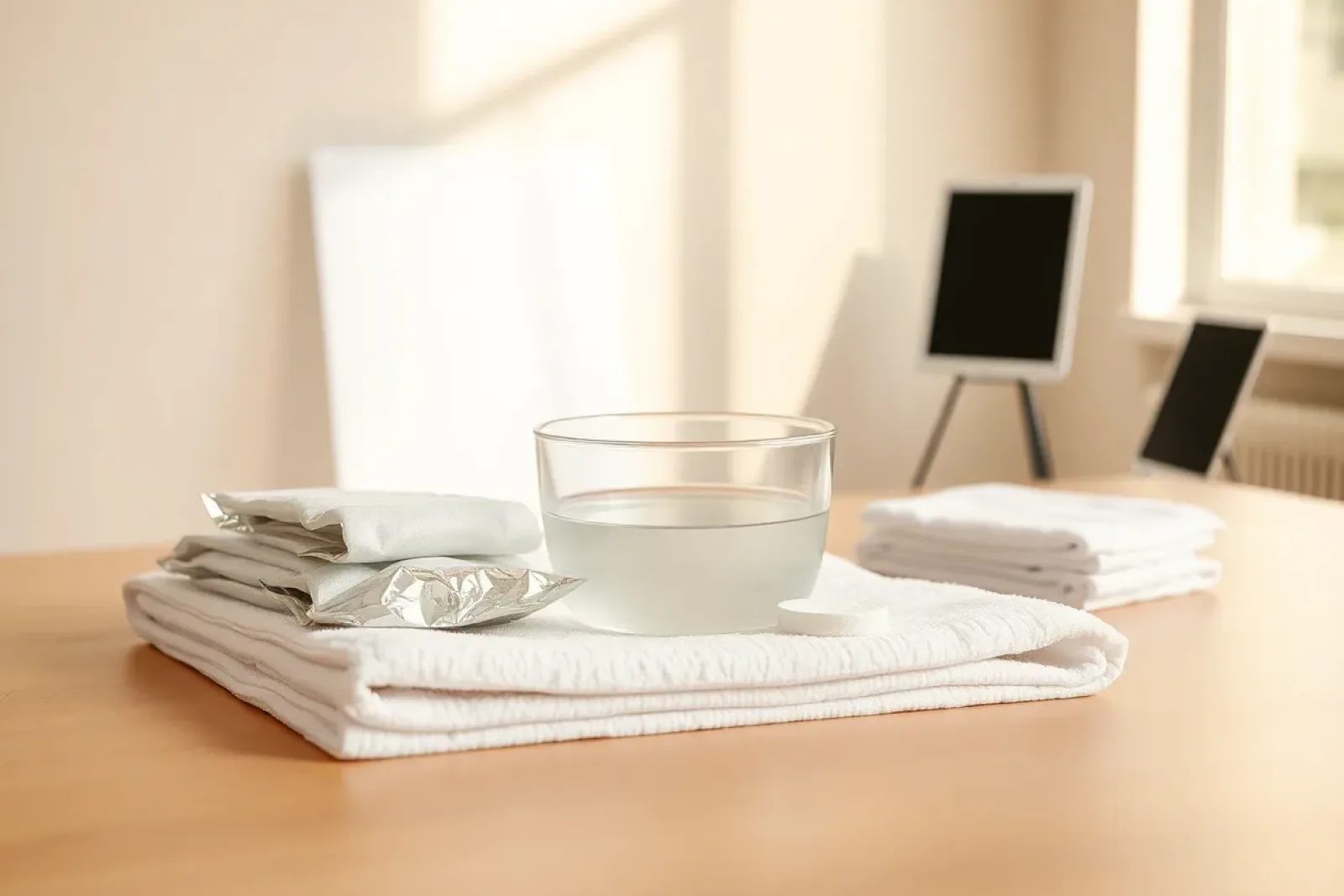
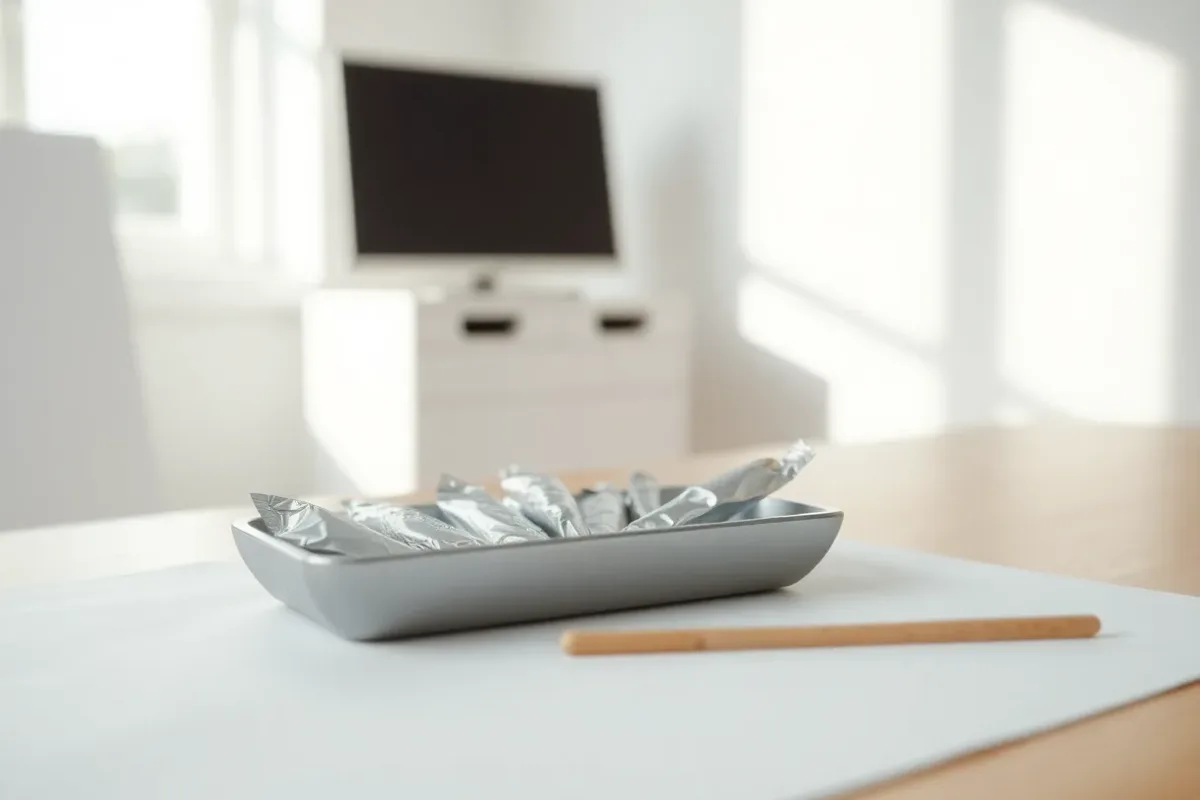
Which route is taken depends on the product. Gel polish and acrylic dissolve in acetone. The shiny surface is broken so the solvent can penetrate, a soaked pad is placed on the nail and wrapped in foil or held with a clip, and after ten to fifteen minutes for gel polish or twenty-five to forty for acrylic the softened layer is pushed away.
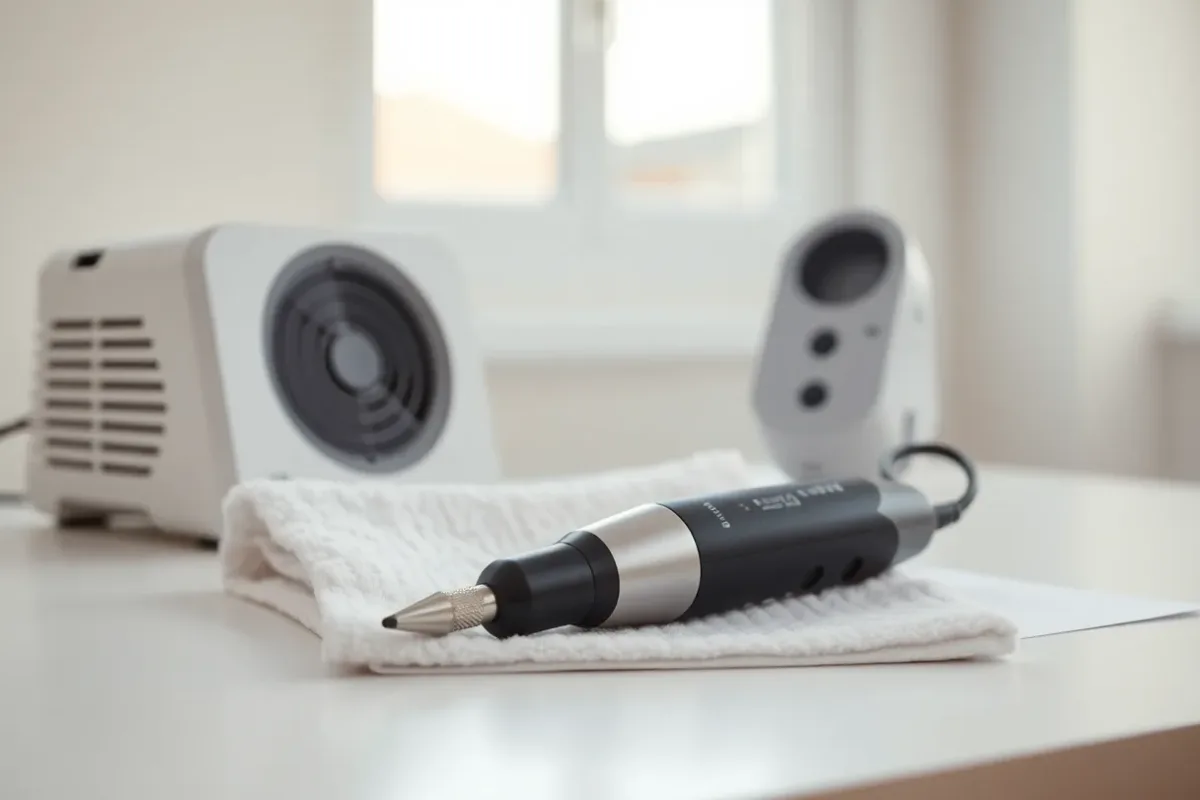
Most builder gels do not dissolve. They are filed back with an electric file, layer by layer, using an appropriate bit and no pressure. That sounds more invasive than soaking, but done properly it is gentler than several minutes of scraping at a stubborn product.
Plenty of technicians combine the two: file off the bulk, then soak away the rest. That is perfectly fine as long as the final step stays patient.
Worth knowing: which method is needed depends on the product, not on preference. If you say you would rather soak than file but your builder gel is not soluble in acetone, it gets filed anyway. That is neither obstruction nor a favour, just material science. The reverse exists too — there are soakable builder gels that come off completely with a little patience, so it is fair to ask which product is on your nails.
You can spot a good removal by how long it takes and by the fact that afterwards nothing feels different except smooth.
2. Why a thin layer is left behind
Filing does not go down to bare nail. A wafer thin film of product is left in place, recognisable by the duller surface and the changed sound of the file. That layer is intentional: it is the buffer that keeps a spinning tool from ever touching the nail plate itself.
The remainder is then taken off by hand with a fine buffer — slower, but controlled. This is exactly where careful work parts company with rushed work, because the buffing step cannot be shortened.
So if you see a faint haze still sitting on the nail at the end of a removal, that is not sloppiness. That is the point at which someone deliberately stopped.
Soaking follows the same principle: nobody scrubs until nothing is left. As soon as the layer feels soft it is pushed away with a wooden stick in the direction of growth. Whatever does not move gets another soaked pad. That second round feels like wasted time during the appointment, and it is precisely the difference between an intact nail and a scuffed one. It is worth waiting out rather than pushing for the finish.
3. How long it takes and what it costs
Many salons charge removal separately, though it is often reduced or waived when something new is applied in the same appointment. Ask when you book and there will be no surprise at the checkout.
| Product | Method | Duration | Price range |
|---|---|---|---|
| Gel polish | acetone wrap | 10 to 20 minutes | 15 to 25 dollars |
| Acrylic set | acetone wrap, sometimes filed first | 25 to 40 minutes | 20 to 35 dollars |
| Gel enhancement | filed back with an e-file | 20 to 45 minutes | 20 to 35 dollars |
Do not squeeze this into a lunch break. A rushed removal is the one you regret later.
Budget for what follows as well. After removal the nails are shaped, smoothed and oiled, and if you want something new straight away, the actual build only starts after that. An appointment covering removal plus a fresh set easily runs to two and a half or three hours. Without that planned in, some step ends up shortened — and it is almost always the least visible one.
Related articles
4. Spotting a removal that is going wrong
There are clear warning signs and you notice them while it is happening. If a spot turns warm or hot, either the pressure is too high or the file has stayed in one place too long. Say so immediately — that is not complaining, it is information your technician needs.
Afterwards the nail plate should feel evenly smooth. Visible grooves running across the nail, rough white patches or a plate that has become see through and bendy all suggest too much was taken off. Sore, reddened skin around the nail does not belong there either.
If it has happened, it does grow out. Fingernails replace themselves completely in roughly four to six months, and after that nothing is left of the damage. In the meantime, keeping them short and oiling regularly does more than any specialist product.
A word on heat, because it gets misread so often. A brief sensation of warmth while filing can happen; a distinct burning cannot. That difference is not about sensitivity, it is a clear signal that the file has stayed in one place too long. The nail plate itself has no nerves, so you feel that heat through the nail bed underneath — which means it is telling you there is not much substance left in between. That is exactly why it deserves an immediate response.
5. What helps in the days afterwards
Acetone pulls moisture out of the nail plate and the skin around it. That is why every removal should end with oil on the nail fold and the underside of the free edge, followed by hand cream. It is part of the service, not an extra.
Take the length down to something that does not lever. Freshly stripped nails are bendier than usual and catch more easily in the first few days. A glass file is kinder here than a coarse emery board because it leaves a smoother sealed edge.
Going straight back into a new set is not a problem, and a break is not compulsory. If you do want to go bare for a while, a thin overlay without extension can make the first weeks easier by stopping the sides from tearing.
In the first few days afterwards, small habits do more than any product: gloves for dishwashing, oil in the evening, and no using nails as tools. If edges start to split, file them smooth several times a day rather than waiting — a split otherwise travels further into the nail bed. And if you are genuinely unhappy with how they look, an opaque dark regular polish is entirely harmless and comes off again whenever you like.
Safe removal means soaking or filing, never levering, stopping at a residual layer and taking the last of it off by hand. It takes twenty to forty-five minutes and it is the single worst place to save money. Ask whether removal is included when you book, and allow proper time for it — the rest looks after itself.
Booking your infill without a phone call?
This link is meant for your nail studio, not for you. If you would rather set your infill or a new set online, pass it on at your next appointment.