The preparation that matters happens in the last twenty-four hours: sleep properly, skip alcohol, drink water, and eat a full meal one to two hours before you go. Add comfortable clothing that exposes the area, photo ID, and an afternoon with nothing urgent after it. The studio handles the rest.
First tattoos rarely go wrong because of the pain. They go wrong when somebody turns up hungry, short of sleep or hungover — blood sugar drops, the circulation gives out, and two straightforward hours turn into a long afternoon for everybody involved.
The good news is that most of the preparation costs nothing and takes about five minutes of planning. The rest is a handful of questions you ask in advance so that nothing at the appointment catches you out.
1. The last twenty-four hours
Alcohol goes the night before. It thins the blood, which means more bleeding during the session, and where more fluid comes out the pigment settles less well. Many studios will also turn away anybody who is visibly drunk, because consent given in that state does not hold up.
Blood-thinning painkillers are a problem for the same reason. The distinction matters: a headache tablet you take on your own initiative you can simply skip that day. Medication a doctor prescribed you never stop on your own — you discuss it with the person who prescribed it and tell the studio in advance.
Sleep is the most underrated item on the list. Rested people find the same sensation measurably less unpleasant and sit far more still. Add steady drinking across the previous day: well-hydrated skin takes ink better than dry skin does.
One to two hours before the appointment, eat a proper meal with slow carbohydrates — bread, rice, pasta, potatoes. Not immediately beforehand, and not just a snack. An empty stomach, not pain, is the usual reason somebody feels faint in the chair.
The last item is the one people forget: cancel if you get ill. A cold, a fever, an infection or a flare-up of a skin condition are all good reasons to move the date, and a decent studio accepts that without argument. Tell them early and your deposit normally carries over to the new appointment.
| When | What you do | Why it matters |
|---|---|---|
| Two weeks before | keep the area out of direct sun | burnt or peeling skin does not get tattooed |
| Night before | no alcohol, early night | less bleeding, more stamina |
| Morning of | shower, put nothing on the area | grease lifts the stencil |
| One to two hours before | a proper meal and water | steady blood sugar, steady head |
| Thirty minutes before | arrive with the bag already packed | rushing costs composure, not time |
Treat the times as guidance rather than rules. What matters is that none of the five drops out entirely: miss one and you probably will not notice, miss three and you will notice in the chair.
Someone who arrives rested and fed lasts noticeably longer in the chair than someone who got through the morning on coffee and nerves.
2. What you put on your skin, and what you do not
The area should be healthy: no sunburn, no broken skin, no fresh scratches, no rash. Tanned or exfoliated skin is already irritated and heals less well, so if you know you are getting tattooed in two weeks, keep that patch out of direct sun.
Shaving is the studio's job, done immediately before the work with a fresh single-use blade. Shaving it yourself the day before achieves nothing and tends to leave the small nicks that can push an appointment back.
Moisturise, but keep it plain: a simple fragrance-free lotion in the days beforehand, and nothing at all on the morning itself. Greasy residue interferes with the stencil.
Numbing cream is something you raise beforehand rather than decide alone. These products change how the skin behaves, some tighten the surface, and not every artist works with them. Turning up with a tube unannounced can cost you the appointment. Ask when you book.
One more thing that gets forgotten: moles. Artists do not tattoo over moles or unusual skin marks, because those need to stay visible so they can be monitored. Good tattooists spot this themselves and shift the design by a couple of centimetres. If you have a mark in the planned area, mention it — if there is any doubt, it belongs in front of a dermatologist rather than under ink.
3. What to bring
The list is short, but every item earns its place.
- Photo ID. Studios check age. Minimum ages and the rules for minors are set nationally and differ from country to country, and many studios apply stricter limits of their own. Ask when you book what applies to you, and bring the document.
- References. Images, measurements, notes — anything that describes what you want.
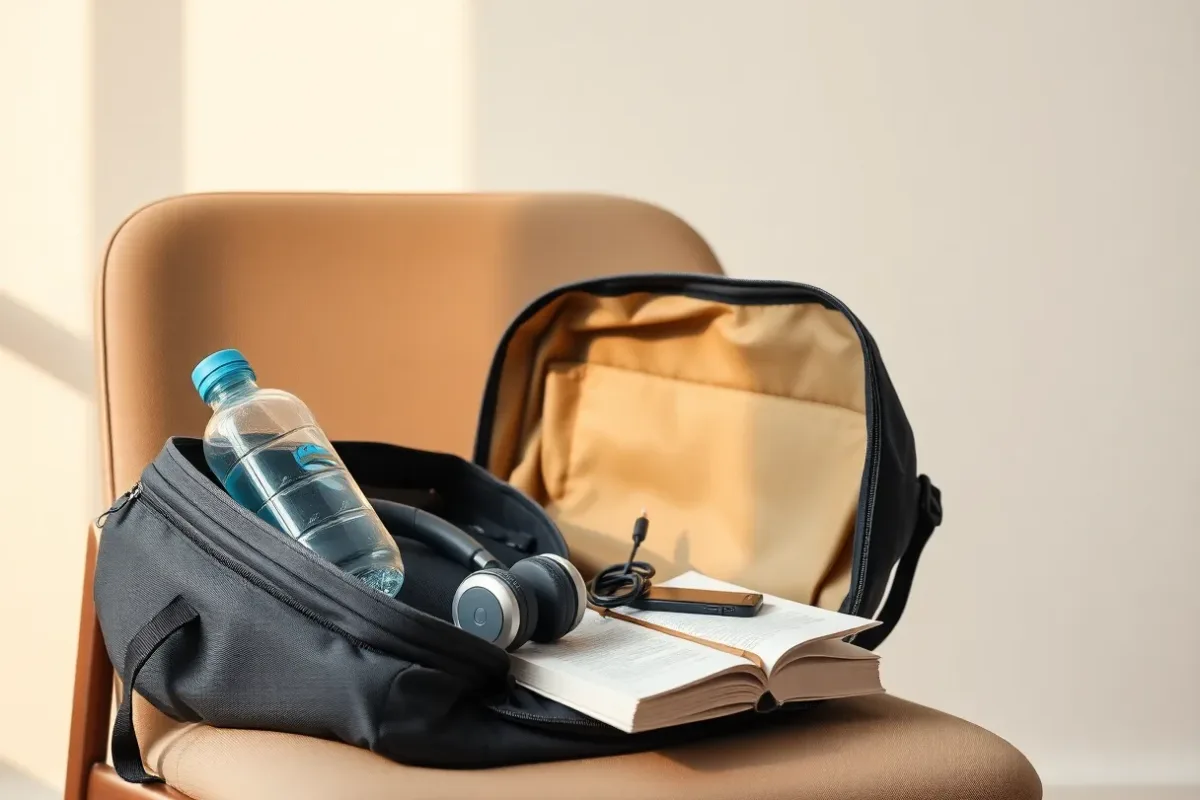
- Food and drink. Water and something sugary, plus a real snack for longer sittings.
- Comfortable clothing that exposes the area without you having to half undress. Dark colours are practical, because ink stains do not wash out.
- Something for the boredom. Headphones, a book, a charged phone and a cable.
- Your deposit receipt if you paid one, and a way to pay the balance — not every studio takes cards.
- A list of questions. You will not remember them otherwise.
What not to bring: company, unless you asked first. Many studios do not allow spectators, for space and hygiene reasons, and a crowded room makes careful work harder.
If you take regular medication, bring the names with you. It saves guessing on the consent form and means nobody has to look anything up mid-appointment.
Related articles
4. How the appointment runs
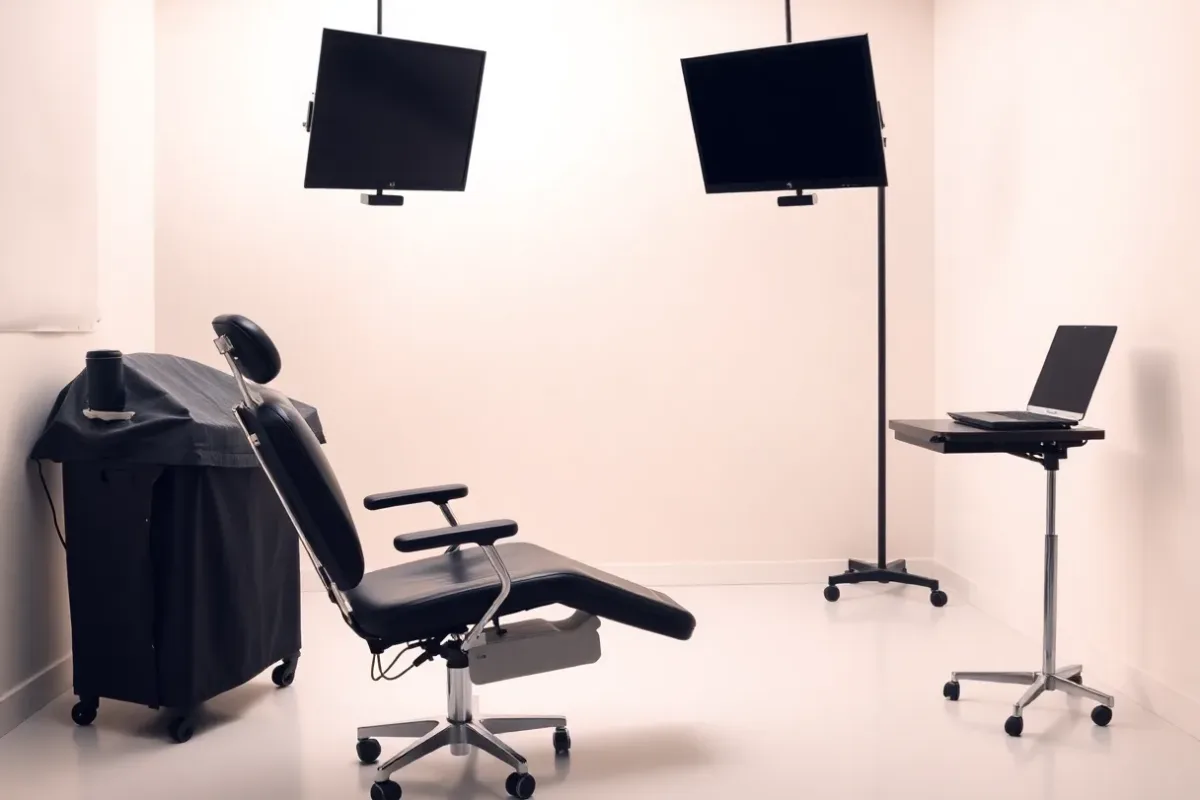
You talk first. The design is adjusted to your body, printed and applied as a stencil. You are expected to check that placement properly in the mirror — standing, sitting, with the arm hanging. A design that works flat on paper can behave differently over a curve. While the stencil is still on, changing it costs nothing.
Then you sign a consent form. It normally asks about allergies, medical conditions, medication and pregnancy. Those questions are not paperwork for its own sake — they help decide whether the work happens today at all.
The area is cleaned and shaved, and the outline goes in first. Shading and colour packing follow. Most people find the linework sharper and the filling duller but more tiring.
Breaks are normal and you do not have to justify them. If you feel dizzy, break into a cold sweat or see spots, say so immediately. It happens regularly, it is harmless, and it is dealt with in a few minutes lying flat with something sugary. It only becomes a problem when somebody stays quiet out of pride until it is too late.
Pay attention to what you are shown at the start, too: sealed needles opened in front of you, gloves changed, surfaces wrapped, ink poured into fresh single-use caps. You are allowed to watch all of it, and a good studio expects you to.
5. The rest of the day and the first night
Do not plan anything strenuous afterwards. Sport, saunas, swimming pools and long stretches of pressure on the area are all out. If you have had a sitting surface, your ribs or a foot tattooed, ordinary movement suddenly matters more than you expected.
Before you leave, have the aftercare explained and write it down: how long the covering stays on, what to wash with, what product is recommended, and when a touch-up would make sense. These instructions vary by artist, and your studio's version takes priority over any other.
For the first night: clean bedding, an old towel underneath, and if you can manage it, do not sleep on the piece. Plasma stains fabric and those marks rarely come out.
The next morning the area looks red and slightly swollen. That is expected. From here the healing timeline takes over, and the single most useful instruction for the next two weeks is: do not scratch.
It is also worth looking at your calendar for the following weeks. Pools, saunas, a beach vacation, a race or a house move are effectively off for two to three weeks. If you are getting tattooed in summer, factor in that the area cannot go in direct sun — short sleeves over a fresh upper arm are more awkward on a hot July day than it sounds in advance.
Sleep, no alcohol, a real meal, comfortable clothes, ID in your pocket — that is genuinely all of it. Anything else is best settled when you book, so that nothing is open on the day. If you are unsure whether your design works where you want it, ask for a short consultation first; in most studios it costs nothing and it is the cheapest way to avoid a decision you cannot undo.
Consultation and appointment without a phone call?
This link is meant for your studio, not for you. If you would rather handle the consultation, the deposit and the follow-up online, pass it on at your next appointment.